


Top 5 Gardening Mistakes Beginners Make (And How to Avoid Them)
Starting your first garden is incredibly rewarding. There’s nothing quite like the feeling of watching a tiny seed sprout into a thriving, fruit-bearing plant. But if you’re new to the dirt, the learning curve can feel steep. Wilting leaves, stunted growth, and mystery pests are rites of passage for every green thumb.
The good news? The most common beginner gardening mistakes are entirely preventable once you know what to look for. Let's break down the top five pitfalls and how you can set your garden up for success this season.
In This Article:
1. Overwatering (Killing with Kindness)
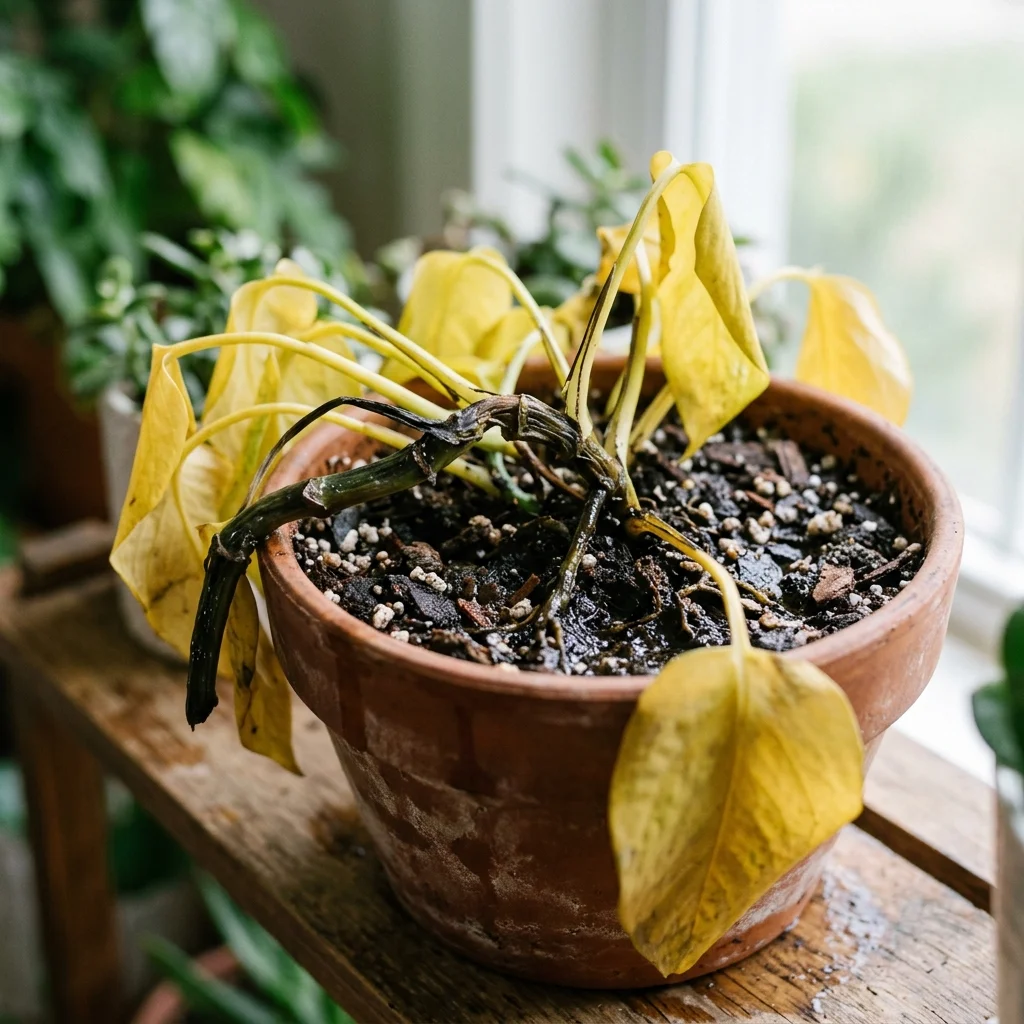
It is the number one mistake new gardeners make: watering plants every single day. While water is essential, plant roots also need oxygen to survive. When soil is constantly waterlogged, the roots suffocate and begin to rot. Ironically, an overwatered plant often looks like an underwatered one, with drooping, yellowing leaves.
How to Avoid It:
Instead of sticking to a strict daily schedule, water based on the soil's actual needs. Use the "finger test": push your index finger about an inch or two into the soil. If it feels dry, it's time to water. If it feels damp, wait another day.
2. Ignoring Soil Quality

Many beginners dig a hole in their backyard, drop a plant in, and wonder why it struggles. Not all dirt is created equal. Heavy clay drains poorly and suffocates roots, while sandy soil drains too fast, washing away vital nutrients.
How to Avoid It:
Great gardens start from the ground up. Before you plant a single seed, amend your garden beds with rich organic matter like compost, worm castings, or aged manure. If your native soil is completely unworkable, consider building raised garden beds and filling them with a high-quality organic soil mix.
Shop Premium Organic Soil & Compost3. Planting Too Close Together

When you are looking at a tray of tiny 2-inch seedlings, it's incredibly tempting to pack them tightly into your garden bed. Fast forward two months, and those tiny seedlings are now massive, tangled plants competing for water, nutrients, and light. Overcrowding also restricts airflow, which is a fast track to fungal diseases like powdery mildew.
How to Avoid It:
Always read the spacing guidelines on the back of your seed packets or plant tags. Trust the measurements! If you are growing from seed and sow them too thickly, be ruthless and thin them out (snip the weaker seedlings at the soil line) once they are a few inches tall.
4. Disregarding Sunlight Requirements
Plants can't move to find a better spot. If you plant a sun-loving tomato in a shady corner, it will grow leggy and refuse to fruit. Conversely, if you put delicate shade-loving ferns or lettuce in the blazing afternoon sun, they will scorch and bolt.
How to Avoid It:
Spend a day mapping your yard's sunlight. Check the light levels in the morning, at noon, and in the late afternoon.
Match your plants to your zones:
- Full Sun: 6 to 8+ hours of direct light (Tomatoes, peppers, cucumbers)
- Partial Sun/Shade: 3 to 6 hours of light (Leafy greens, root vegetables)
- Full Shade: Less than 3 hours of direct light (Hostas, ferns)
5. Planting Too Deeply
Whether you are planting seeds or transplanting nursery pots, depth matters. Seeds planted too deeply will expend all their energy trying to reach the surface and die before they break through the soil. Transplants buried too deep (burying the crown where the stem meets the roots) will suffer from stem rot.
How to Avoid It:
A general rule of thumb for seeds is to plant them twice as deep as their diameter. For transplants, dig a hole just deep enough so that the soil level of the plant exactly matches the soil level of your garden bed. (Note: Tomatoes are a rare exception to this rule—they love being buried deep to grow extra roots!)
Ready to Grow?
Gardening is a continuous learning process. Every mistake is just a lesson in disguise. By preparing your soil, spacing correctly, and paying attention to water and light, you are already well on your way to a lush, bountiful garden.